
Grow with clearer marketing
and stronger systems.
Find what's blocking growth. Fix the right problems. Move forward with less guesswork and more confidence.
Takes 2 minutes. No signup required.

Don't just get a score.
Get a second set of eyes.
Run the free Brand & Marketing Audit to spot gaps in your message, website, and visibility. Then book a complimentary 15-minute review with our team and get help deciding what to fix first.
Complimentary 15-min review available after completing the audit.
Your brand has real energy and a loyal local following. The gaps are in search visibility and digital infrastructure. The foundation is there — it just needs to be built on.
See a full sample report →Spend less time wearing every hat.
More time growing the business.
Most business owners join us because they want better marketing. But they quickly discover it's not just marketing stalling growth.
Ready, Plan, Grow!'s frameworks help business owners focus on what they do best and use tools like AI to automate the work that's keeping growth stuck.

Focus
"Working through the Ready, Plan, Grow! framework helped me pinpoint what was holding the brand back, how our website needed to change to reflect a premium position, and where to focus my time for growth. Revenue is up, profitability is shifting, and our brand finally reflects the 50+ years of expertise we actually bring to our industry."

Clarity
"Before Ready, Plan, Grow!, I was buying inventory on gut feel. The Know Your Numbers work showed me which products were actually carrying the business and which bundles made sense. Once I could see the numbers clearly, I started making better purchasing decisions, went after grants with real confidence, and focused my time on the offers that actually moved results."

System
"I work in robotics and AI, but my own marketing wasn't using those tools in a structured way. I had strong ideas spread across multiple AI assistants and no central place to build from. At Ready, Plan, Grow! I learned how to build a centralized knowledge base and plug the framework into it. That focus more than doubled my traffic and helped me book more speaking engagements - without adding more chaos to my week."
One membership.
The full system for $50/month.
No contracts. Cancel anytime. Everything you need to run your marketing and operations with clarity.
Use the full framework, deeper tools, and weekly support to keep your business moving in the right direction.
- ✓Brand Clarity Audit included
- ✓30-minute onboarding session to map your first 90 days
- ✓AI Toolkit: brand frameworks, pitch builder, projection templates
- ✓Weekly group office hours, live with Ryan and Marcela
- ✓Know Your Numbers: financial clarity and 90-day planning
- ✓Content system that runs on 2 hours/month and 10 minutes/week
- ✓Direct access to Ryan and Marcela. Not a forum.
Cancel anytime. No contracts.
Most businesses have the pieces.
They just aren't connected.
Membership gives owners a practical way to use the Ready, Plan, Grow! framework across the three parts of the business that drive growth: numbers, operations, and marketing.
Stop guessing. Know your revenue, margins, and break-even so every decision is grounded in what the business can actually support.
Tighten your workflows and reduce bottlenecks so the business runs without you touching every decision.
Get found by the right people with a content system that runs on 2 hours a month and 10 minutes a week.
For owners who are tired of carrying it all alone
You need a clear plan, the right support, and practical frameworks built for scalable growth. We invite you to join us!
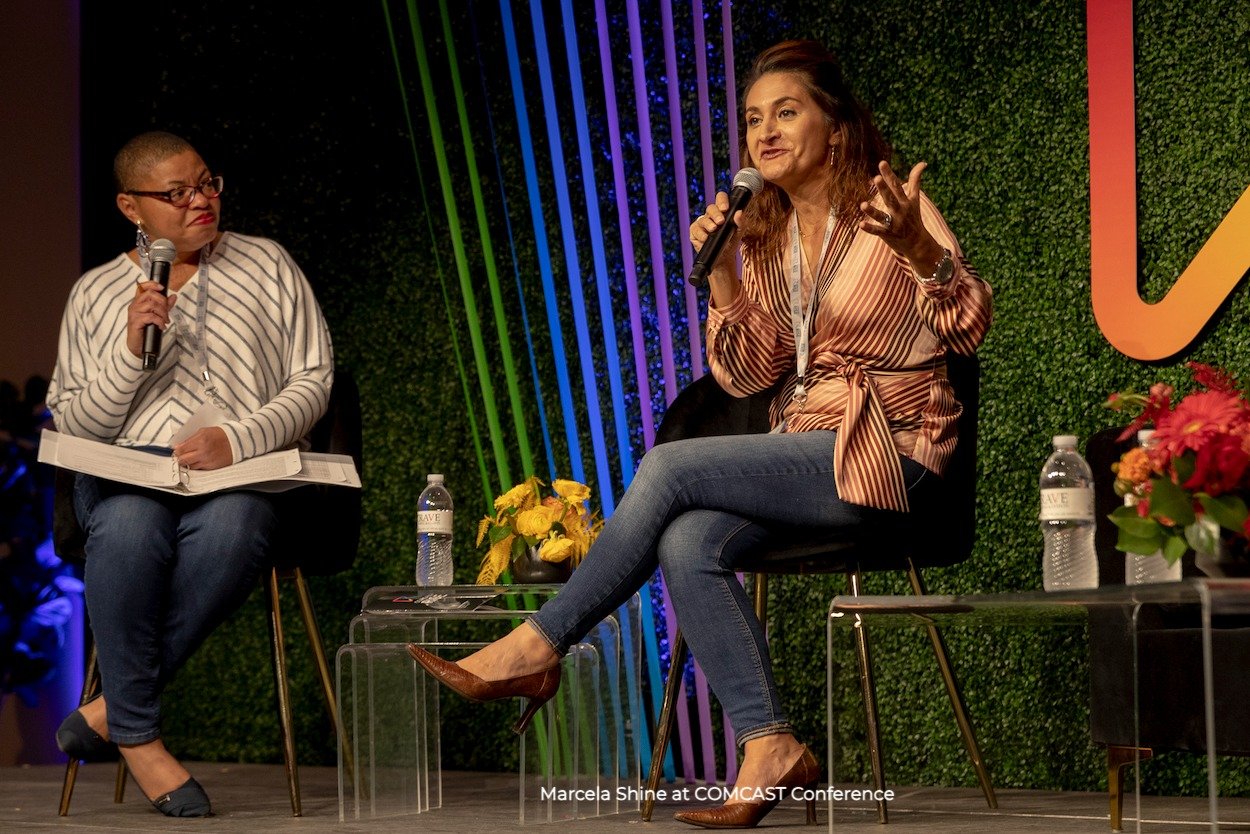
Marcela Shine
Co-founder
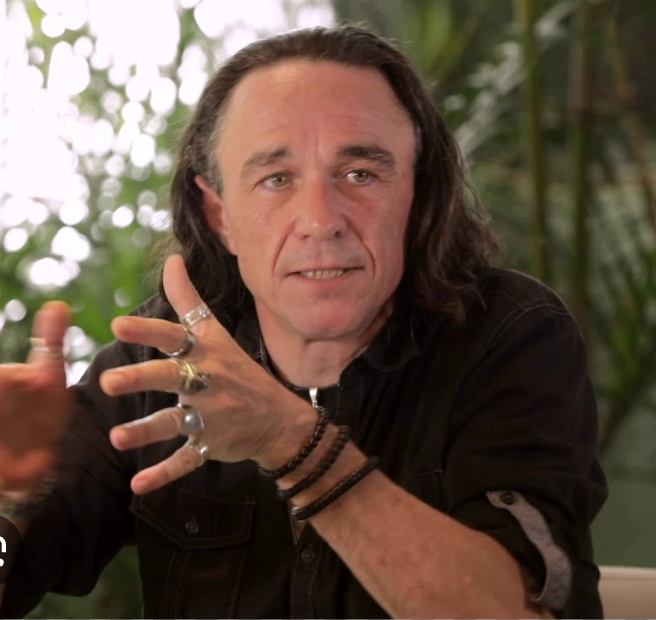
Ryan Cunningham
Co-founder
We went from typewriters to teaching AI. We know what it feels like to have no idea what you're doing with technology. That's why we teach it the way we do.
Marcela Shine and Ryan Cunningham
30+ years of combined operating experience. We teach what we've actually done.
Learn more about us →